A portable power station can keep a family’s essential devices charged throughout a camping trip, but only when everyone follows a realistic power plan. Start by identifying the phones, lights, cameras, tablets, coolers, and other equipment that need electricity. Then estimate daily energy use, set charging priorities, and reserve capacity for unexpected needs. A simple schedule also prevents several family members from competing for limited ports at the same time. With careful planning and sensible recharging, one portable power station can provide organized, dependable campsite power without wasting stored energy.
Calculate Your Family’s Camping Power Needs
List Phones, Lights, Cameras, and Other Essential Devices
Start with a device list for every family member. Include smartphones, headlamps, lanterns, cameras, smartwatches, tablets, speakers, and camping accessories. Add equipment such as an electric cooler, air pump, or GPS device. Record each item’s wattage or charging requirement and note how often it needs power. Separate devices that need charging from equipment used occasionally. This inventory prevents small loads from being overlooked. Several phones and lights may consume modest amounts individually, but their combined energy use over several days can affect the portable power station capacity your family needs.
Calculate Daily Watt-Hours for the Whole Family
Calculate daily energy use in watt-hours by multiplying each device’s wattage by the hours it operates. For example, a 10-watt light used for five hours consumes about 50Wh. For battery-powered electronics, use the charger rating and charging time as a practical estimate when detailed battery data is unavailable. Repeat the calculation for every device, then combine the totals. Multiply that daily figure by the number of camping days between recharges. This method turns a device list into a useful energy budget and helps you select a portable power station with sufficient capacity for the trip.
Add a Practical Power Reserve for Longer Camping Trips
Add a reserve after calculating the family’s expected energy use. A target is roughly 20% to 30% above the planned requirement, especially when reliable recharging is uncertain. This buffer helps cover longer phone use, extra lighting, colder conditions, conversion losses, or an unplanned night. Keep emergency communication devices within that reserve instead of treating every available watt-hour as disposable capacity. For longer trips, consider how often you can recharge the station. A sensible reserve gives the family flexibility without encouraging waste and reduces the chance of reaching an empty battery before the next charging opportunity.
Build a Family Charging Plan That Prevents Power Shortages
Rank Devices by Essential, Useful, and Optional Charging Needs
Divide devices into three groups before the trip. Essential items include phones used for navigation or emergency communication, medical equipment, and safety lighting. Useful devices might include cameras, tablets, fans, or campsite lights that improve comfort but can tolerate delayed charging. Optional items include entertainment electronics that can remain off when capacity becomes limited. Give essential devices first access to stored energy and reserve enough capacity to recharge them. This ranking makes decisions easier when power runs low. Everyone knows what gets charged first, preventing optional devices from consuming energy needed for communication or safety.
Set Morning, Daytime, and Evening Charging Windows
Create charging windows so family members do not connect everything at once. Morning works well for topping up phones, watches, and cameras before activities. During daylight, prioritize charging while solar input may be available, if your setup supports it. Evening can cover lights, phones, and entertainment devices needed around camp. Avoid leaving charged equipment connected overnight. A schedule also makes consumption easier to monitor because you can compare battery levels at similar times each day. Assigning charging windows keeps ports available and helps the family follow the same energy budget.
Share AC, USB-A, USB-C, and 12V Ports Without Overloading
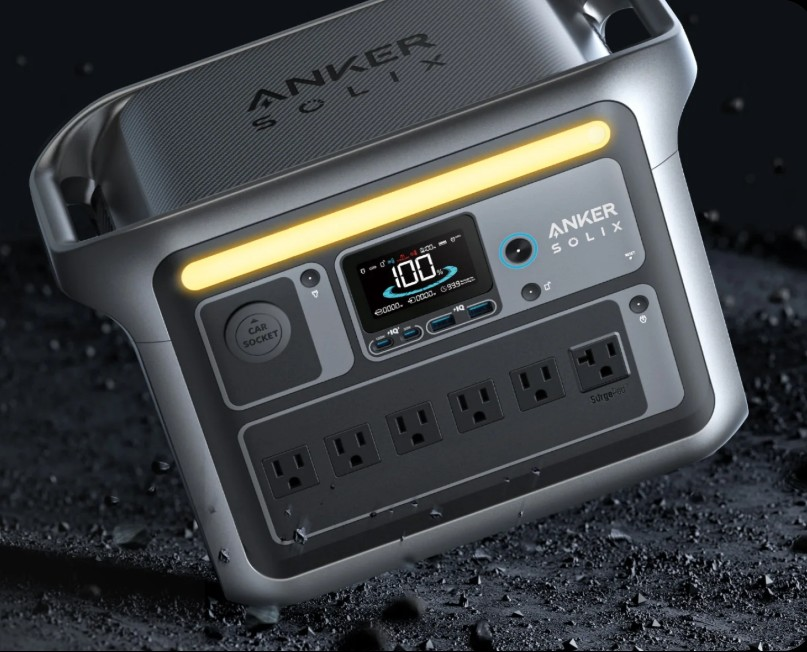
Use the station’s ports according to each device’s requirements. USB-C is convenient for laptops, tablets, and phones, while USB-A supports smaller electronics. AC outlets serve equipment requiring household-style power, and regulated 12V ports can support camping gear. Check each port’s limit and the station’s total output rating before connecting several loads. If you need to convert watt into ampere for a 12V device, clear power and voltage ratings make the calculation straightforward: current equals watts divided by volts. Good port planning lets family members charge devices efficiently without exceeding the portable power station’s rated limits.
Make Your Portable Power Station Last Through the Trip
Reduce Unnecessary Power Use at the Campsite
Reducing waste can extend campsite runtime without sacrificing comfort. Lower screen brightness, enable phone power-saving modes, and switch off wireless features when not needed. Turn lanterns off after everyone settles in, and unplug chargers once devices are full. Use direct USB charging when practical instead of an AC adapter, since conversion stages introduce energy loss. Avoid powering heating appliances unless your energy budget allows for their high demand. Small changes across devices add up over a multi-day trip, preserving more battery capacity for navigation, communication, lighting, and other campsite needs.
Recharge With Solar Panels, a Vehicle, or Shore Power
Plan at least one recharge method before leaving home. Solar panels can replenish a compatible portable power station during daylight, but production changes with panel rating, sunlight, angle, shading, and the station’s input limits. Vehicle charging provides another option while driving, provided you use the manufacturer-approved connection method. At developed campgrounds, shore power or another permitted AC source can restore the battery when compatible. Check input voltage, current, and maximum charging power before connecting any source. Combining a realistic recharge plan with your energy budget reduces reliance on stored capacity alone during longer family trips.
Track Remaining Battery and Adjust the Family Charging Schedule
Check the remaining battery percentage at consistent times, such as every morning and evening. Compare the actual level with the amount you expected to have left. If consumption is running high, delay optional charging, shorten entertainment use, or reduce lighting before essential devices are affected. When solar or vehicle charging adds more energy than expected, cautiously restore lower-priority charging. Also watch estimated runtime or input and output readings if the station displays them. Regular monitoring turns the family charging schedule into an adjustable plan, helping preserve enough power for the final night and journey home.
Conclusion
A successful family camping power plan starts with knowing what must stay charged, how much energy those devices use, and when each person should connect them. Calculate daily watt-hours, add a reserve, and prioritize communication, navigation, and lighting before optional electronics. Charging windows keep ports organized and make battery use easier to track. During the trip, reduce unnecessary consumption and recharge from solar panels, a vehicle, or shore power when available. Check the remaining battery and adjust lower-priority charging early. These habits help a portable power station provide reliable, well-managed energy throughout the camping trip.