Power station maintenance directly affects battery life, charging performance, output stability, and overall reliability. Small mistakes, such as blocking ventilation, storing a battery at an unsuitable charge level, or ignoring warning messages, can gradually reduce performance and lead to avoidable repairs. Good maintenance does not require constant attention, but it does require a consistent routine based on the manufacturer’s instructions. By understanding the most common maintenance errors and correcting them early, owners can protect their equipment, reduce unexpected downtime, and keep backup power ready for outages, travel, work, or emergencies.

Why Power Station Maintenance Mistakes Become Costly
A neglected power station can develop problems that affect the battery, inverter, cooling system, connectors, and charging components. Excessive heat may accelerate battery degradation, while dirt or blocked vents can interfere with cooling. Damaged cables and loose connections may also create unreliable charging or power delivery. Poor storage practices can leave a battery deeply discharged when backup power is needed most. Maintenance mistakes become especially costly when minor warning signs turn into component failures or shortened service life. Regular inspection, correct charging, proper storage, and timely action help preserve performance and reduce the risk of preventable downtime or premature replacement.
Power Station Maintenance Mistakes to Avoid
Waiting for Equipment to Fail Before Taking Action
Waiting for complete failure turns maintenance into an emergency response. A power station may show smaller problems first, including unusual heat, slower charging, unexpected shutdowns, reduced runtime, or error messages. Treat these signs as reasons to inspect the equipment rather than continuing normal use until it stops working. Follow the manufacturer’s troubleshooting instructions and arrange qualified service when required. Proactive attention can identify worn cables, blocked vents, charging problems, or battery issues earlier. Addressing a manageable problem promptly helps protect reliable performance and may prevent more extensive damage to connected components.
Skipping Routine Inspections and Preventive Maintenance
Routine inspections help identify visible problems before they interfere with operation. Check the enclosure, charging cables, connectors, plugs, ventilation openings, and accessories at intervals recommended by the manufacturer. Keep cooling vents free from dust and obstructions, but avoid opening or dismantling equipment unless the manual specifically permits it. Inspect cables for fraying, bent contacts, discoloration, or other damage. Confirm that the unit charges and powers normal loads correctly. Preventive maintenance also includes appropriate storage and periodic battery checks. A short, consistent inspection routine can protect reliability without creating unnecessary maintenance work.
Using the Same Maintenance Schedule for Every Asset
Not every power station component ages or requires attention at the same rate. Battery packs, cooling systems, cables, adapters, expansion batteries, and inverter components can have different inspection or service requirements. Usage also matters. A unit used frequently for work may need more regular checks than one stored mainly for emergencies. Build the maintenance schedule around manufacturer guidance, operating frequency, storage conditions, and component type. This approach is particularly valuable for systems using power inverters pure sine wave technology, which provides high-quality AC output for compatible electronics and deserves proper care to maintain dependable performance.
Ignoring Early Warning Signs and Condition Data
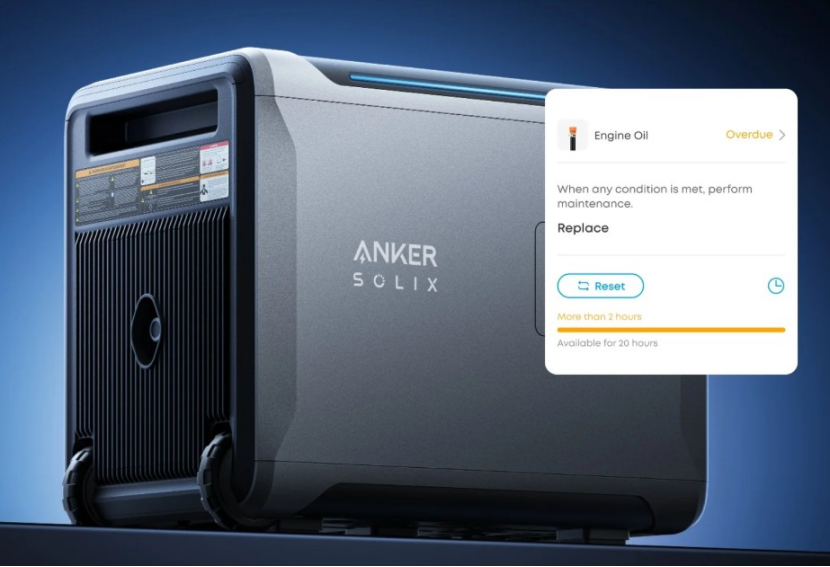
Modern power stations can provide useful information through displays, status lights, alarms, or monitoring software. Do not dismiss repeated error codes, temperature warnings, unexpected capacity drops, abnormal fan behavior, or noticeably longer charging times. Compare current performance with the unit’s normal operating pattern and investigate meaningful changes promptly. Stop using the equipment when the manufacturer identifies a warning as unsafe or when you notice swelling, smoke, unusual odors, physical damage, or excessive heat. Condition data becomes more valuable when tracked over time. Recording recurring warnings and performance changes can also give technicians clearer information when professional diagnosis becomes necessary.
Failing to Follow Safety and Maintenance Procedures
Improvised maintenance can create unnecessary electrical and battery hazards. Always follow the manufacturer’s instructions for charging, cleaning, storage, inspection, and approved servicing. Disconnect loads when directed before maintenance and keep liquids away from electrical connections. Never bypass protective features, modify internal wiring, or open battery assemblies unless the manufacturer explicitly authorizes the procedure for the user. Keep the power station in suitable environmental conditions and provide the required ventilation during charging and operation. If the unit is damaged or behaves abnormally, stop using it and follow the specified service process. Safe procedures protect both the equipment and the people handling it.
Using Incorrect Parts, Tools, or Lubricants
Replacement parts and accessories must match the power station’s specifications. An incompatible charger, cable, connector, fuse, or other component can cause poor performance and may defeat designed protections. Use manufacturer-approved or explicitly compatible parts with the correct voltage, current, connector type, and other required ratings. Do not apply lubricants, solvents, contact cleaners, or chemicals unless the maintenance instructions specifically recommend them. Battery power stations generally contain components that users should not lubricate or service internally. When replacement or internal repair exceeds approved user maintenance, use qualified service. Correct parts and procedures help maintain electrical compatibility, safety features, and dependable operation.
How to Build a More Reliable Power Station Maintenance Plan
Combine Preventive and Predictive Maintenance
A reliable maintenance plan uses routine prevention while paying attention to actual equipment condition. Preventive tasks can include checking cables, cleaning permitted exterior surfaces and vents, confirming normal charging, inspecting connectors, and maintaining the recommended storage charge. Predictive maintenance goes further by watching changes in battery runtime, charging speed, temperature, error history, and output behavior. Record significant changes so gradual deterioration becomes easier to recognize. Follow manufacturer-specified intervals instead of creating unsupported service schedules. Combining regular checks with condition monitoring reduces unnecessary intervention while helping owners respond earlier when performance moves outside the power station’s normal operating range.
Standardize Inspections, Documentation, and Follow-Up Checks
Create a simple maintenance checklist and use it consistently. Record the inspection date, battery charge level, cable condition, visible damage, warning messages, charging behavior, and any corrective action taken. For power stations used as emergency backup, include periodic operational checks according to manufacturer guidance so the unit does not remain untested for long periods. Keep the manual, purchase information, warranty details, and service records together for easy reference. After correcting a problem, perform the recommended follow-up check to confirm normal operation. Clear documentation makes recurring faults easier to identify and creates a practical maintenance history for future troubleshooting or professional service.
Conclusion
Effective power station maintenance focuses on prevention, observation, and correct procedures. Do not wait for failure before investigating abnormal behavior, and never ignore damaged cables, excessive heat, recurring warnings, or declining performance. Follow the manufacturer’s maintenance and storage instructions rather than applying one routine to every component or usage pattern. Use compatible accessories and leave unauthorized internal repairs to qualified service personnel. A documented inspection schedule makes these tasks easier to manage and helps reveal changes over time. With consistent care, a power station can remain safer, more dependable, and better prepared to supply backup electricity when it is needed.